Egg Recall July 2026: FDA Salmonella Recall List and What to Do

Status checked: July 25, 2026. Recall information can change. Confirm the carton against the current FDA recall notice before using or discarding the eggs.
Quick Answer
The July 2026 egg recall covers specific white shell eggs and brown cage-free shell eggs produced by Midwest Poultry Services, L.P. in Texas. The company recalled 1,589,577 dozen eggs because they may be contaminated with Salmonella Enteritidis.
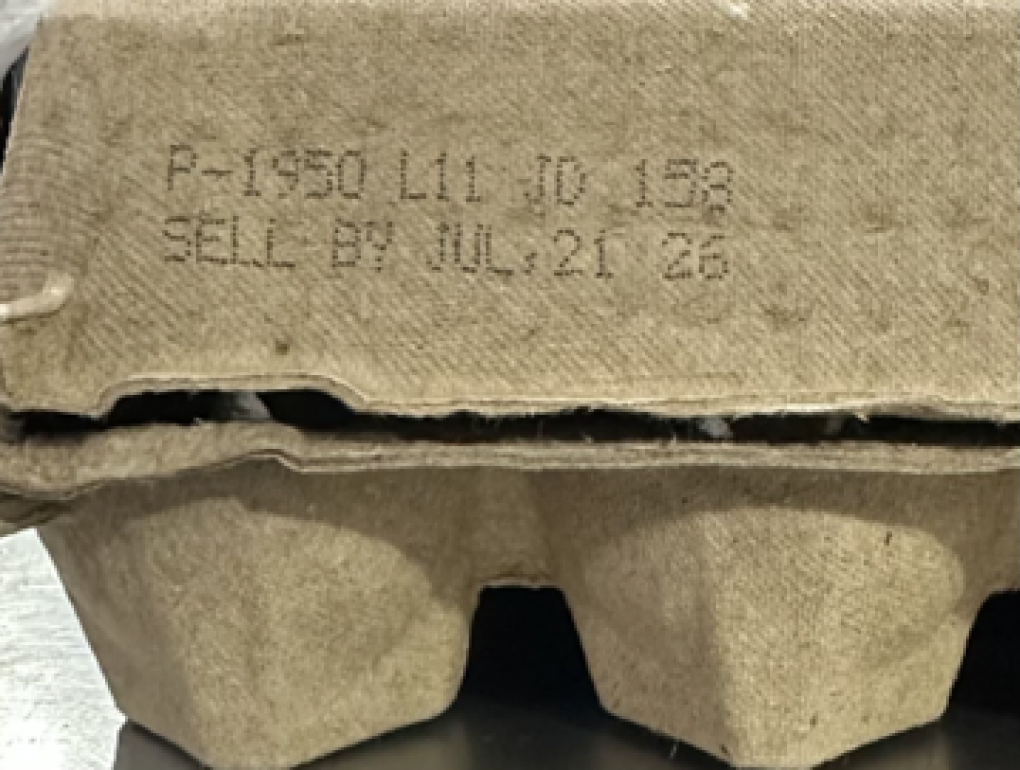
Check the carton for all three of these identifiers:
- Plant code:
P-1950or0840962 - Julian date:
157–184 - Sell-by or best-by date: July 20–August 17, 2026
The recall includes selected Kroger, Simple Truth, Brookshire’s, Country Morning, and Sunups products, plus several foodservice bulk cases.
A matching carton should not be eaten, cooked, donated, or composted. Keep the carton, isolate the product, and return it to the original place of purchase for a refund.