32 posts tagged with "Compost"

Compost and how to make it and use it

View All Tags

Reencle vs. GEME: The Ultimate Microbial Composter Showdown

· 6 min read
Moore
Moore
Tech Writer, Meteorology Journalist, Gardening Lover

You’ve decided to reduce food waste and bring eco-friendly composting into your kitchen — awesome! 🍃 But in the growing market of electric composters, the label “microbial” can be misleading.

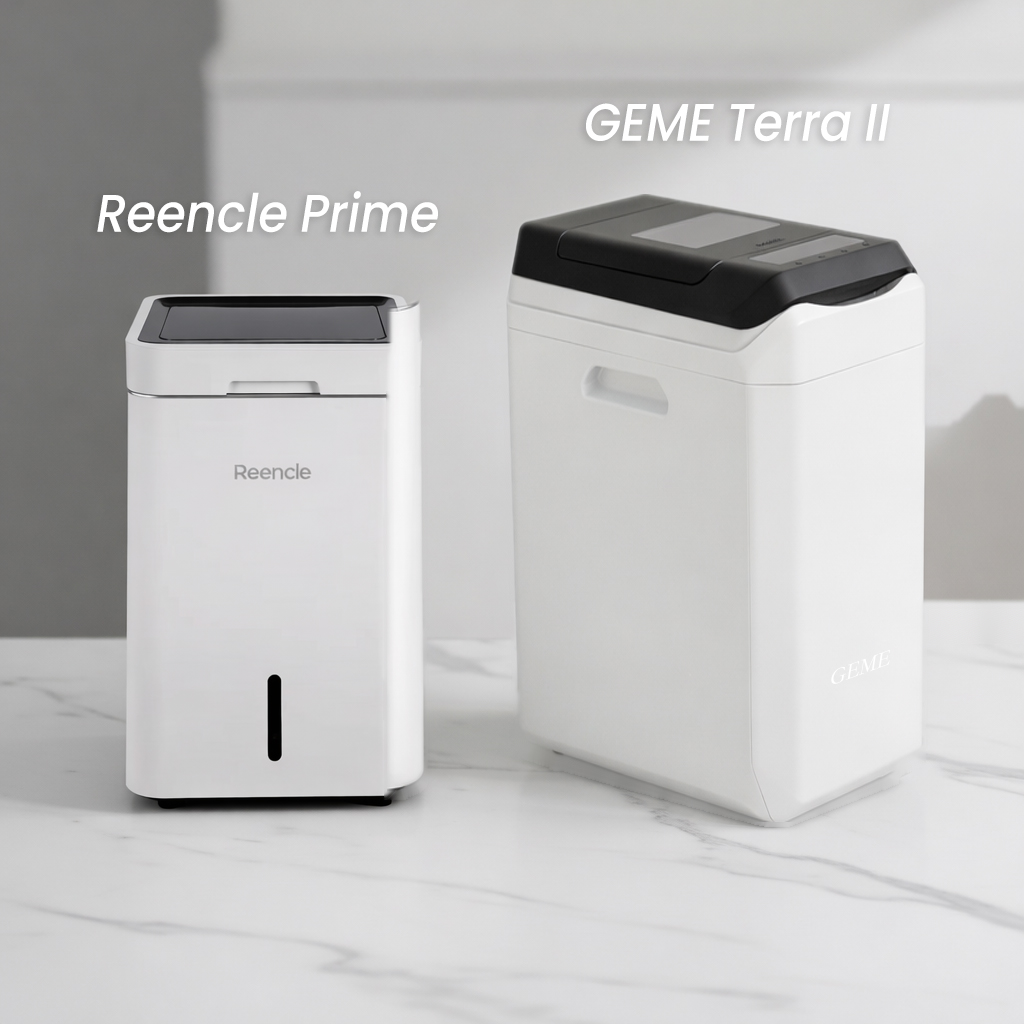
Today we’re pitting two microbial composters against each other:

  • Reencle composter: a popular microbial system from South Korea.

  • GEME Terra 2: the world’s first AI-powered kitchen composter that produces real compost you can use immediately.

This showdown isn’t just about specs — it’s about real results, ownership costs, kitchen convenience, and long-term sustainability. Let’s dive in.

Reencle Composter Doesn't Produce Real Compost

Does Mill Composter Really Compost? Honest Review & Best Kitchen Composter Guide 2026

· 7 min read
Moore
Moore
Tech Writer, Meteorology Journalist, Gardening Lover

Does Mill Composter Really Compost? A 2026 Review for Eco-Conscious Households

Quick Answer:

The Mill composter is an electric food recycler that dehydrates and grinds kitchen scraps into dry “food grounds,” but it does not biologically compost them into real compost. By contrast, GEME Terra 2 uses microbial composting to produce genuine soil-ready compost right in your kitchen, making it the best kitchen composter available today.

Why This Matters to You

Millions of eco-conscious families and apartment dwellers want sustainable ways to handle their food waste — but not all “electric composters” actually compost. Understanding the difference between dehydrating and composting is key to reducing waste effectively and avoiding disappointment.

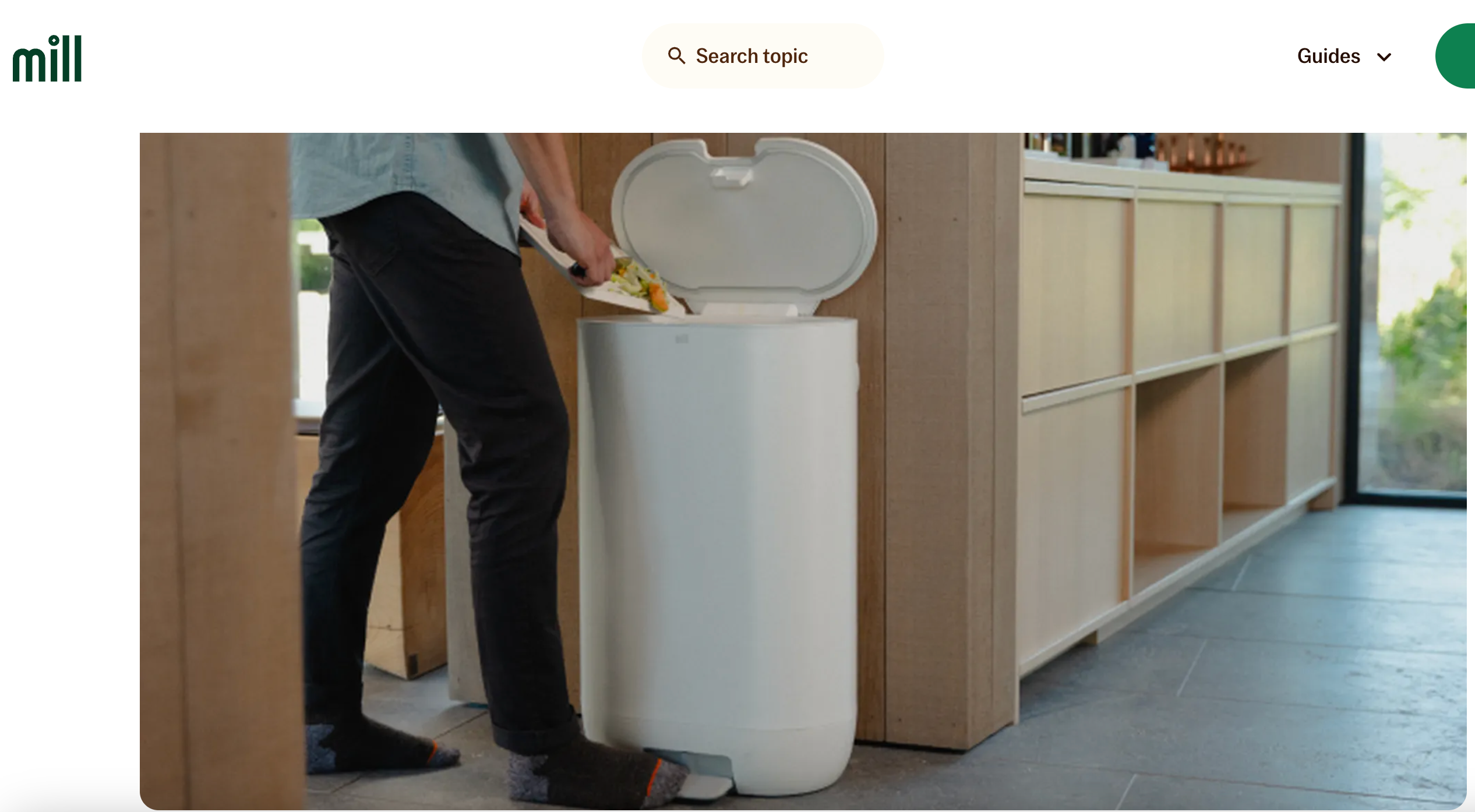
Mill Composter Doesn't Compost

Does the Lomi Composter Really Compost? Lomi vs GEME Terra 2

· 9 min read
Moore
Moore
Tech Writer, Meteorology Journalist, Gardening Lover

Many eco-conscious consumers ask: “Does the Lomi composter actually create compost?”

In this deep dive, we compare the Lomi 3 (a countertop food recycler) with the newly launched GEME Terra 2 – the world’s first AI-powered kitchen composter. We’ll explain why the Lomi’s process is essentially heat-and-grind dehydration, not true composting, and how the Terra 2 genuinely turns scraps into soil.

Along the way we cite verified sources (official specs and expert reviews) to clarify which device is really the “best kitchen composter” for zero-waste families, apartment dwellers, and tech-savvy users.

note

Not all kitchen composters actually compost.

Top 5 Kitchen Composters in 2026

· 15 min read
Moore
Moore
Tech Writer, Meteorology Journalist, Gardening Lover

As food waste regulations tighten and zero-waste living becomes mainstream, electric composters have surged in popularity—especially among apartment dwellers and urban households. A growing number of devices promise to turn kitchen scraps into something “compost-like” overnight. But here’s the problem:

tip

Not all kitchen composters actually compost.

Most electric kitchen composters don’t make real compost—they just dry, grind, or process food scraps in ways that fall short of true composting. In 2026, consumers are no longer just asking “What’s the best kitchen composter?” They’re asking a more important question:

warning

Does this machine produce real compost—or just dried food waste?

This distinction matters for soil health, sustainability, cost, and environmental impact. In this guide, we’ll review the top 5 kitchen composters of 2026 and explain — clearly and scientifically — why GEME Terra II stands apart.

Comparison Table: Real Compost vs Dehydrated Waste

FeatureGEME Terra IIGEME ProLomiMillReencle
True microbial composting
Produces real compost
Handles meat & dairyLimitedLimitedLimited
AI condition control
Ongoing filter cost$0$0HighMediumMedium
Final output usable in soil

Best Kitchen Composters in 2026: GEME Terra II Redefines “Real Compost”

· 4 min read
Moore
Moore
Tech Writer, Meteorology Journalist, Gardening Lover

Introduction: Why “Electric Composter” No Longer Means the Same Thing

As food waste regulations tighten and zero-waste living becomes mainstream, electric composters have surged in popularity—especially among apartment dwellers and urban households. A growing number of devices promise to turn kitchen scraps into something “compost-like” overnight.

But here’s the problem:

⚠️ Warning: Not all kitchen composters truly compost your food waste—some simply dry or grind, failing to produce real, living compost.

In 2026, consumers are no longer just asking “What’s the best kitchen composter?” They’re asking a more important question:

Does this machine produce real compost—or just dried food waste?

This distinction matters for soil health, sustainability, cost, and environmental impact. In this guide, we'll dive into the best kitchen composters of 2026 and explain—clearly and scientifically why GEME Terra II stands apart.

GEME Terra II: The Best Kitchen Composter 2026

Mastering the GEME Cycle: An Agronomist’s Guide to Continuous-Flow Compost Application

· 4 min read
Dr. Kyung-Ryong.H
Dr. Kyung-Ryong.H
PhD in Soil Microbiology & Agronomy, 30+ Years Experience

Introduction: Embracing the "Continuous" Ecosystem

As an agronomist with over three decades of experience in soil health, I often see home gardeners treating all compost the same. However, the GEME Bio-Composter operates differently from standard batch dehydrators. It uses a Continuous Flow Workflow ("Add & Forget").

This means that at any given moment, the machine contains material in various stages of decomposition: 90% finished microbial humus and 10% partially broken-down matter.

This is not a flaw; it is a biological characteristic.

To use this output safely and effectively, we must move beyond simply "dumping it in a pot." We need to apply standard agricultural practices: Screening (Inoculation) and Soil Capping (Buffering). This guide will teach you how to protect your plants while maximizing the biological power of your GEME.

Can I Compost Spoiled or Moldy Fruit Like Grapes? Here's A Practical Guide

· 11 min read
Moore
Moore
Tech Writer, Meteorology Journalist, Gardening Lover

Grapes are a delicious and nutritious fruit, but they can spoil quickly if not handled properly. And, of course, you can compost spoiled or moldy fruits like grapes.

In this practical guide, we’ll cover everything from explaining mold on grapes – how to spot it and what it means – and answering the big question: Can I compost spoiled or moldy grapes? We’ll also show you how to store grapes, how to wash grapes, and how long grapes can last in the fridge from trusted food safety and composting sources, along with step-by-step advice to keep your grapes fresh longer and to ensure your compost is healthy.

Can I compost moldy fruits

Composting Basics: Backyard Compost Pile VS GEME Electric Composter

· 11 min read
Moore
Moore
Tech Writer, Meteorology Journalist, Gardening Lover

Composting is nature’s recycling. It uses microorganisms to turn organic waste (kitchen scraps, yard trimmings, etc.) into nutrient-rich soil amendments. This managed, aerobic process (requiring air) feeds beneficial microbes that break down “greens” (nitrogen-rich) and “browns” (carbon-rich) materials, releasing heat and nutrients. An actively maintained compost pile can reach 130–160°F during decomposition, killing pathogens and weed seeds as it cooks. The final product is dark, crumbly compost that enriches garden soil.

Embedding a photo, for example, reveals a steaming compost heap – evidence of intense microbial activity at work.

Compost Pile

A garden compost pile heating up and steaming as microbes break down yard and kitchen waste (Picture from rodaleinstitute.org).

The Best Way to Store And Keep Strawberries Fresh Longer

· 9 min read
Moore
Moore
Tech Writer, Meteorology Journalist, Gardening Lover

Strawberries are delicious but notoriously perishable. Their tender, thin skins, high moisture and sugar content, and rapid respiration make them prone to bruising, microbial spoilage (especially mold such as Botrytis), and flavor loss.

In warm or humid conditions, they spoil very quickly. Minimizing handling, keeping them cool and dry, and using gentle storage methods are key. With the right techniques, you can keep strawberries fresh longer, reduce waste, and even recycle food waste into rich compost for your garden.

The tips below (drawn from USDA and university extension guidance) will help home cooks, gardeners, and sustainability advocates store strawberries safely and effectively.

The Best Way to Store Strawberries

How Long Do Blueberries Last in the Fridge?

· 7 min read
Moore
Moore
Tech Writer, Meteorology Journalist, Gardening Lover

How Long Do Blueberries Last? A Complete Guide to Storing Blueberries for Freshness

Blueberries are delicious, nutritious, and incredibly versatile—great in smoothies, cereal, baking, or as a snack. But they also have a short shelf life, especially if not stored correctly. Whether you buy them fresh from a farmer’s market or pick them from your backyard bush, knowing how to store blueberries properly can make a big difference in how long they stay good. In this guide, we’ll explain how long blueberries last, the best ways to store them, and how to tell if they’ve gone bad.

We’ll also answer common questions like:

  • How long do blueberries last in the fridge?

  • Can you freeze blueberries to make them last longer?

  • What affects the shelf life of blueberries?

  • How to extend the freshness of blueberries naturally?

Let’s dive into how to keep your blueberries fresh, flavorful, and safe to eat for as long as possible.

How long do blueberries last in the fridge